As several nonprofit organizations in Burundi intensify awareness campaigns around psychological trauma, a fundamental question arises: Where is the Church in this healing process?
Like many nations marked by violent conflict, Burundi carries a heavy burden: deep, invisible wounds embedded in its collective and individual memory and history. Wars, ethnic divisions, social injustice, and chronic poverty have shaped the psychological fabric of our society. Today, many still live in silent pain, lacking support or healing spaces.
During one of our recent morning editorial meetings at The Baptist Chronicle, a challenging question surfaced: NGOs are doing their part, but what is the Church doing to help heal broken hearts?
The Troubling Silence of the Church
Many Christian institutions in Burundi are active in evangelism, education, and socio-economic and community based development. But when it comes to addressing inner trauma, few visible efforts exist. And yet, who better than the Body of Christ to provide a space for true and lasting healing?
Secular organizations, though well-intentioned, often rely on humanistic or psychological approaches. While helpful, these interventions offer partial and temporary relief. Some wounds run deeper—spirit and soul are affected.
Jesus: The Wounded Healer
Christian faith presents a Savior who experienced every kind of human wound: rejection, betrayal, humiliation, injustice, abandonment. He wept, suffered, bled. And yet, He healed, restored, and uplifted the broken.
This is why a Christ-centered Trauma Healing Approach is not only relevant but urgently needed.
As the book of Hebrews says:
“Because he himself suffered when he was tempted, he is able to help those who are being tempted.” Hebrews 2:18.
Christ-centered Trauma Healing Approach: An Opportunity for the Church
What if the churches in Burundi were trained in a Trauma Healing Theology which is Christ-centered?
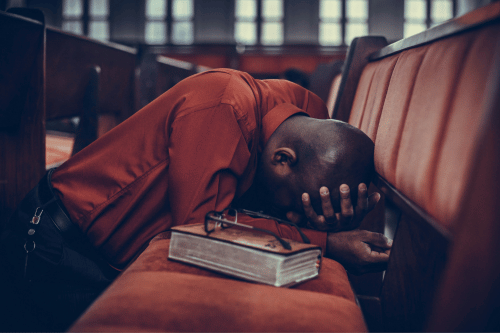
What if they opened their doors for support groups, prayer sessions, confession, and restoration—grounded in the Word of God and the compassion of Christ?
True transformation does not only come through teaching, but through the inner healing brought by the Spirit of God.
Burundi’s wounds run deep. But they are not irreversible. The Church has a spiritual and social responsibility to rise up—not in competition with NGOs, but by offering what only faith in Jesus Christ can: healing that reaches the heart, soul, and spirit. Every church should stand for this matter of holistic transformation that touches the inner man.
Because ultimately, “He was wounded for our transgressions, crushed for our iniquities… and by His wounds we are healed.”(Isaiah 53:5)
Dieudonne Irambona is a pastor educator at the Free Baptist Church in Gihosha, Bujumbura.
He holds a Master’s degree in Biblical and Theological Studies
from Hope Africa University. The views expressed in this opinion article are those
of the author and do not necessarily reflect the official position
of The Baptist Chronicle.
Discover more from THE BAPTIST CHRONICLE
Subscribe to get the latest posts sent to your email.