Religious leaders have intensified calls for genuine leadership, urging the country’s leaders to embrace effective governance while highlighting the factors that undermine good leadership.
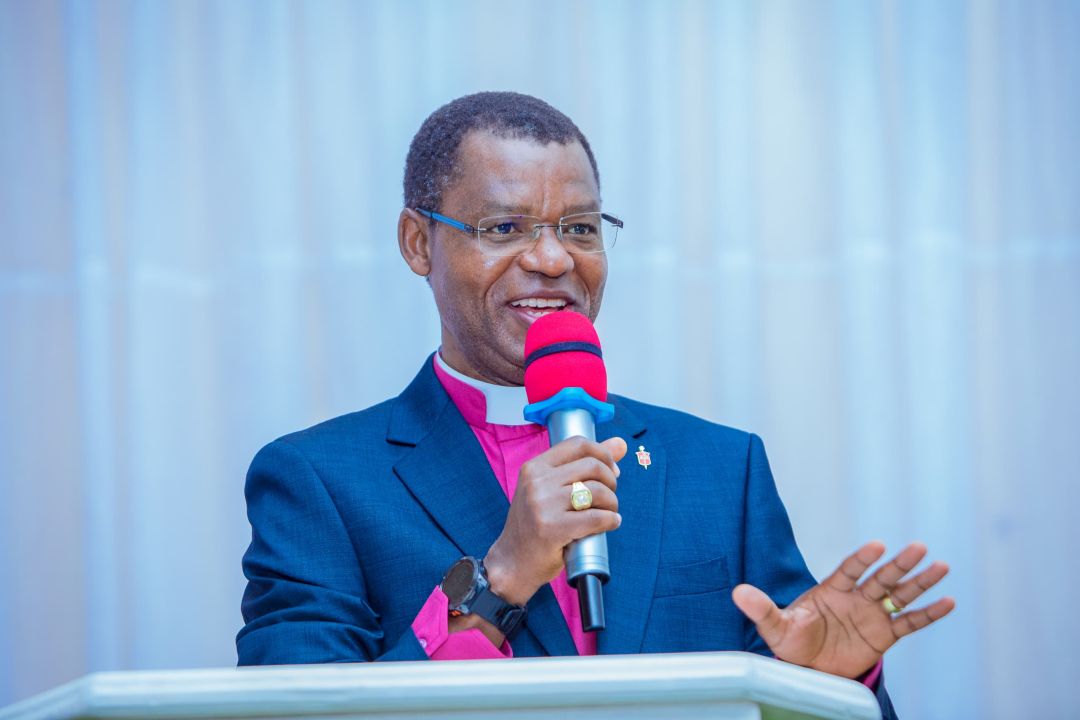
Speaking at a national thanksgiving crusade held from June 18 to 20, 2026, in Buhumuza Province in northern Burundi, The United Methodist Church Bishop Emmanuel Sinzohagera issued a strong warning against pride, greed and the abuse of power, describing them as major threats to genuine leadership.
According to Sinzohagera, a bad leader is one who pursues personal interests rather than serving the people. Such leaders, he said, place their own honor and authority above the well-being of those entrusted to their care.
He also warned against leaders who reject advice and act as though they know everything. Such unwillingness to accept counsel or criticism, he said, often leads to repeated mistakes and poor decision-making.
“A bad leader appoints people but gives them no real authority. They do not trust others and insist on approving every decision themselves,” he said. “As a result, work slows down, colleagues become discouraged and, eventually, the leader becomes overwhelmed because no one can do everything alone.”
The three-day crusade, organized by the presidential family, aimed to give thanks to God for protecting them during their six years in power. It also brought together senior government officials, religious leaders and large crowds of worshippers.
The former Senate president cautioned against leadership based on fear, intimidation and threats, urging leaders to cultivate love as a defining characteristic of lasting leadership.
“Love is what builds lasting leadership,” he said.
In his sermon, Sinzohagera emphasized accountability, criticizing leaders who fail to explain their decisions, evade oversight and resist scrutiny over how they exercise authority or manage public resources.
He said good leaders regard people as individuals entrusted to them by God and are committed to helping them fulfill their purpose rather than using them as instruments to advance personal ambitions.
The bishop also argued that leaders who become disconnected from the people they govern inevitably ignore their concerns, suffering and aspirations.
“No one can solve problems they refuse to acknowledge,” he said.
Pride: Leadership’s Greatest Enemy
Sinzohagera described pride as one of leadership’s greatest enemies, citing Proverbs 16:18: “Pride goes before destruction, a haughty spirit before a fall.”
He argued that arrogant leaders reject advice and correction, believing themselves to be infallible.
To illustrate his point, he cited the biblical examples of King Saul and King Nebuchadnezzar, whose downfalls, he said, were brought about by pride. He added that many contemporary leaders have suffered a similar fate.
Beyond pride, the bishop identified embezzlement and the abuse of power as major threats to effective leadership.
“Power tends to corrupt, and unchecked power corrupts completely,” he said, warning that unchecked authority often breeds injustice, oppression and corruption.
He added that fear often drives these behaviors, pushing authoritarian leaders to make harsh decisions to preserve their grip on power.
“A leader may choose injustice simply to preserve their position, fearing dismissal or even death, even while knowing what is right,” he said.
Consequences for Society
According to Sinzohagera, these leadership failures have far-reaching consequences for society.
“When people lose confidence in leadership, they become disengaged and believe it no longer serves their interests. Teamwork disappears, fear and silence spread, and innovation comes to a standstill because leaders believe they alone possess the necessary knowledge,” he said.
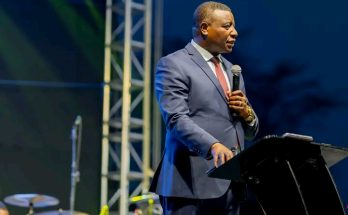
Sinzohagera’s sermon echoed a similar message delivered by Pastor Dieudonné Mbazumutima, who outlined the qualities of a true leader, including sincerity, the fear of God, humility and a servant’s heart.
Mbazumutima called on leaders to repent, acknowledge their shortcomings and rid themselves of pride, saying that Jesus is coming soon.
Concluding his sermon, Sinzohagera urged leaders across Burundi and the wider African continent to reject the notion that leadership is a privilege, a source of prestige or a pathway to personal enrichment.
“Jesus taught that whoever wants to be greatest must become the servant of others,” he said. “Every leader should ask themselves one fundamental question: Why do I want to lead?”
Discover more from THE BAPTIST CHRONICLE
Subscribe to get the latest posts sent to your email.