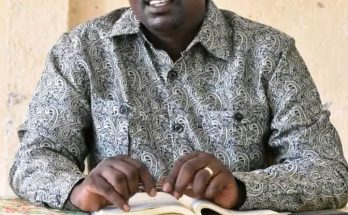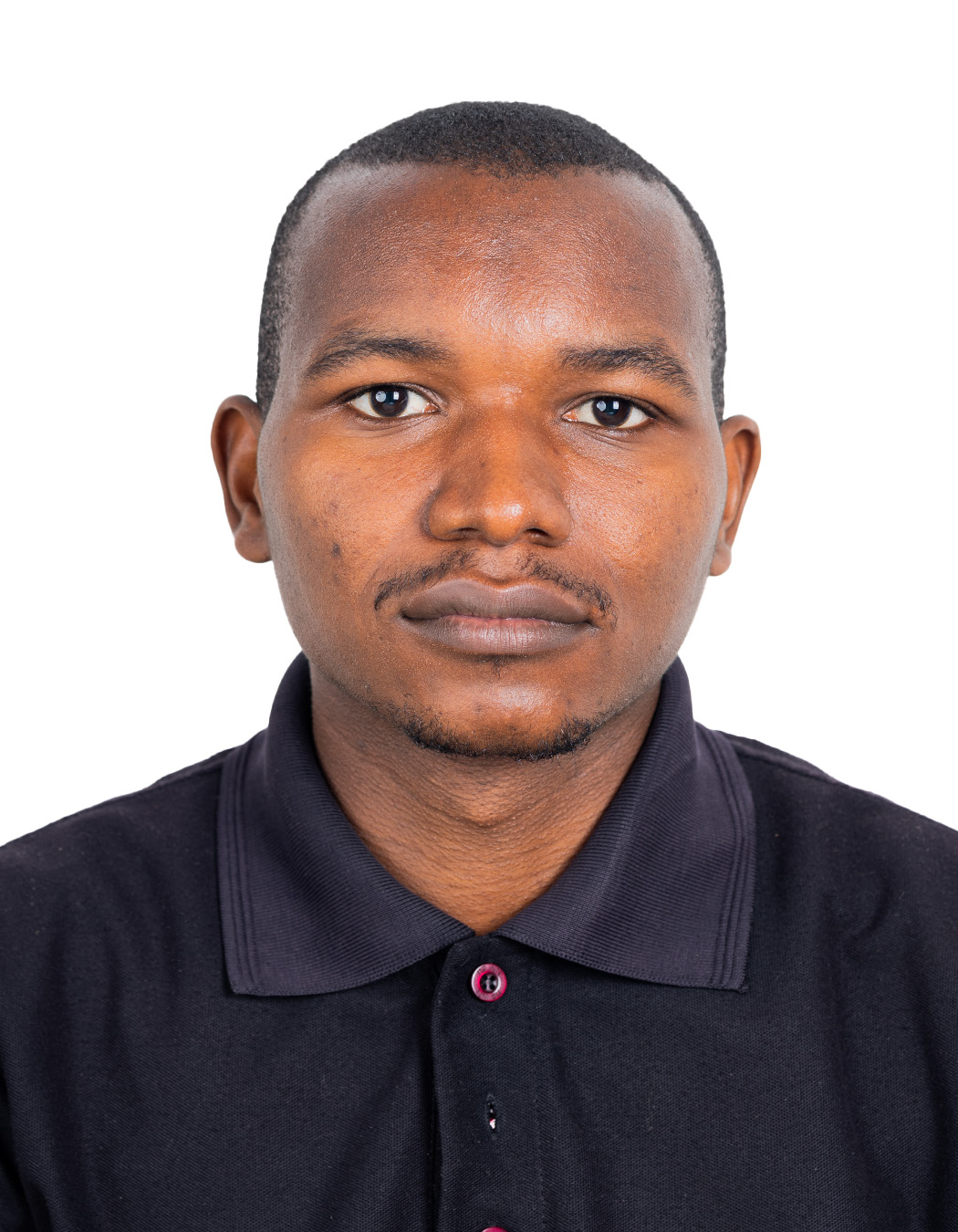
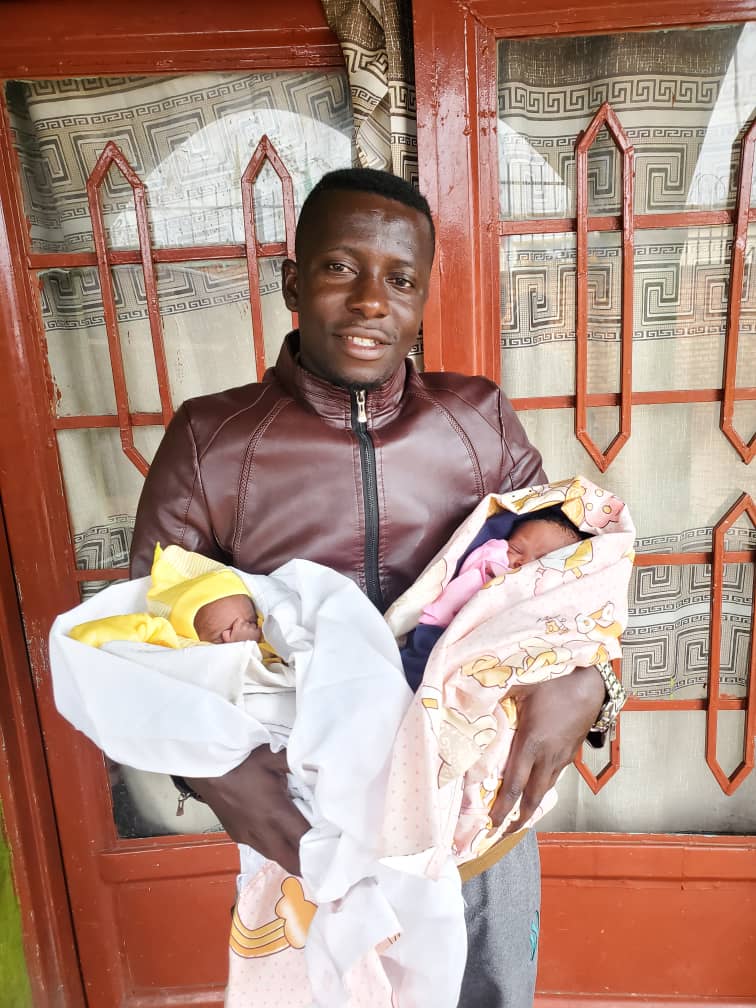
A man called Désiré Ndagijimana, unmarried but God-fearing, reportedly established an orphanage known as Iratabara House (“He Saves”) located in Rutana Commune, in the south of the country, to shelter vulnerable children, including abandoned and homeless children despite economic challenges, according to a local media.
Our Author, Dieudonné Ndayizeye, sees Ndagijimana’s story as a modern reflection of the Good Samaritan described by Jesus in Luke 10:33–34. In the parable, a traveler who had been beaten, robbed, and left helpless on the roadside was ignored by others, but a Samaritan was moved with compassion, cared for his wounds, and provided for his needs.
In an exclusive interview with the online television channel Mashariki TV on June 1, Ndagijimana said that the orphanage currently accommodates more than 100 children—at least 104, including 74 boys and 30 girls.
According to him, some were abandoned shortly after birth, others lost their parents, while many come from families unable to provide for their basic needs.
ALSO READ : Two babies exchanged by mistake: A case worthy of King Solomon shakes a Burundian hospital
Driven by a deep Christian faith and an unwavering commitment to helping society’s most vulnerable, Ndagijimana said he has devoted his life to raising children abandoned by their families, orphaned by tragedy, or left with nowhere else to turn.
A Home for the Most Vulnerable
Beyond offering food and shelter, the orphanage seeks to prepare the children for independent adulthood. Ndagijimana personally teaches income-generating activities to help them sustain themselves. These activities mostly range from soap-making and doughnut production to the manufacture of organic fertilizer.
“God has blessed me with many talents,” he says. “Making soap, baking doughnuts, producing organic fertilizer from human urine—these are all activities I teach them myself.”
The objective, he explains, is to equip the children with practical skills that will enable them to earn a living once they leave the orphanage.
Fatherhood Beyond Biology
Ndagijimana says his commitment is rooted not only in faith but also in a profound sense of patriotism, linking this charitable work to service to God and his country.
“I love my country deeply, the land where I was born,” he says. “As for these children, I do not say that I am taking care of them. I say that I am raising them because I am their parent.”
Despite remaining unmarried, he firmly embraces the role of father.
“Jesus Christ did not leave this world after getting married,” he says. “Yet he was the father of nations. I, too, am unmarried, but I am a father at heart.”
His approach differs from that of many orphanages, which often return children to their extended families once they reach a certain age. Ndagijimana says experience taught him that many families struggle to continue caring for their children.
“When I returned some children to their relatives, I often found that the families could not support them,” he explains. “In such cases, I brought them back and continued raising them.”
As a result, he has chosen to keep most children under his care until adulthood.
“The young people you see today have grown up in the faith. They pray to God and respect His name. That is why I strive to support them until they become adults.”
His role as a parent has extended beyond childhood. Several of the young people he raised have already started families of their own.
“I already have a son-in-law and a daughter-in-law,” he says with a smile. “On 8 August 2026, two boys I have been raising since 2011 will get married.”
A Calling, Not a Business
While there are many perceptions surrounding orphanages, with some viewing them as a means of self-enrichment, Ndagijimana insists that his work is not motivated by financial gain.
“This is not a project I created myself,” he says. “It is a calling from God. It is a mission, just as a pastor or priest serves God.”
He criticizes those who view orphanages primarily as opportunities to attract donations or personal wealth.
“Many people think an orphanage is a way to get rich, but that is wrong,” he says. “This work is a responsibility before God, and we must answer to Him for it.”
“If I were doing this work so I could buy fancy shoes or expensive cars, I would be guilty before God,” he adds. “This is God’s work, and He watches over it.”
His story evokes the biblical parable of the Good Samaritan—a stranger moved by compassion to help a wounded traveler believed to be a Jew abandoned on the roadside which is found in the book of Luke 10: 25-37.
In his parable, Jesus was calling on people to help each other despite their diverse cultural and historical background . In the era of Jesus, Samaritans and Jews had built hatred among them for years and it was taboo for both nations to cooperate with each other in trade exchange,and both political and social relations.
Climate Change Threatens Survival
While Burundi is facing economic challenges, including fuel shortages that have led to a rising cost of living, the effects are increasingly impacting the orphanage.
Among the most pressing expenses is infant formula, which babies at the orphanage consume in large quantities.
Beyond economic pressures, climate change is another major challenge for the institution, which largely depends on agriculture. Erratic rainfall and prolonged drought have drastically reduced production, severely affecting sales of bananas, maize, and beans that once helped cover operating costs.
“In the past, I sold bananas, maize, and beans to support the children,” he says. “But this year, the rains have been irregular and the drought particularly severe.”
As climate-related shocks continue to affect agricultural production across Burundi, institutions such as Iratabara House are becoming increasingly vulnerable. For Ndagijimana, the consequences are immediate and deeply personal: every failed harvest threatens the well-being of more than a hundred children who depend on the orphanage for survival.
“I cultivated nearly 20 hectares of land, but I did not even harvest one tonne of beans or two tonnes of maize,” he laments. “Normally, I would produce nearly 100 tonnes of maize and 130 tonnes of beans.”
Faced with these challenges, he is appealing to partners, donors, and people of goodwill to support the orphanage and help ensure that its mission continues.
READ ALSO:
Voices : Is Religion Just Manipulation? Acher Niyonizigiye Responds
Discover more from THE BAPTIST CHRONICLE
Subscribe to get the latest posts sent to your email.