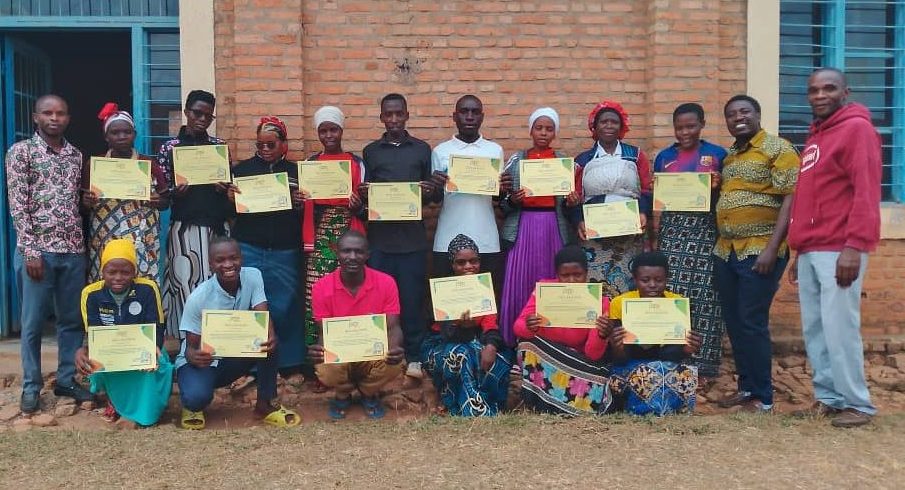
Burundi churches are expanding evangelical methods, shifting their focus from traditional crusades to the education system through the Preschool Education Program (PEPE). According to Pastor Dieudonné Irambona of the Free Baptist Church, the beneficiaries are children aged 4 to 5 from disadvantaged families who can access free conventional nursery schools.
Over the past week, from September 11–12, 2026, in Kayanza commune, in the northern part of the country, a religious-based program, PEPE , through its national coordination in Burundi, organized a training session for missionary educators from ten Free Baptist Churches in the provinces of Bujumbura and Butanyerera.
PEPE is a Brazil-based socio-educational missionary program implemented in partnership with local churches and evangelical communities. It aims to equip partnered churches with skills ranging from nutrition and health to oral hygiene, environmental stewardship, and inclusion, which further share the skills with the disadvantaged children who don’t have the means to access formal preschool education.
The church eventually covers all the required means by providing learning spaces, teachers, and other required materials to develop their self-confidence, foundational skills, and ability to transition into primary school. Its approach combines school preparation, evangelization, and family support, according to Pascal Ndayikeza, the National Coordinator.
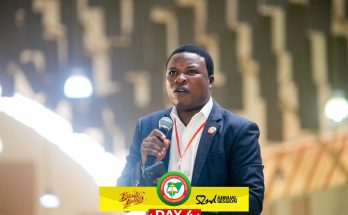
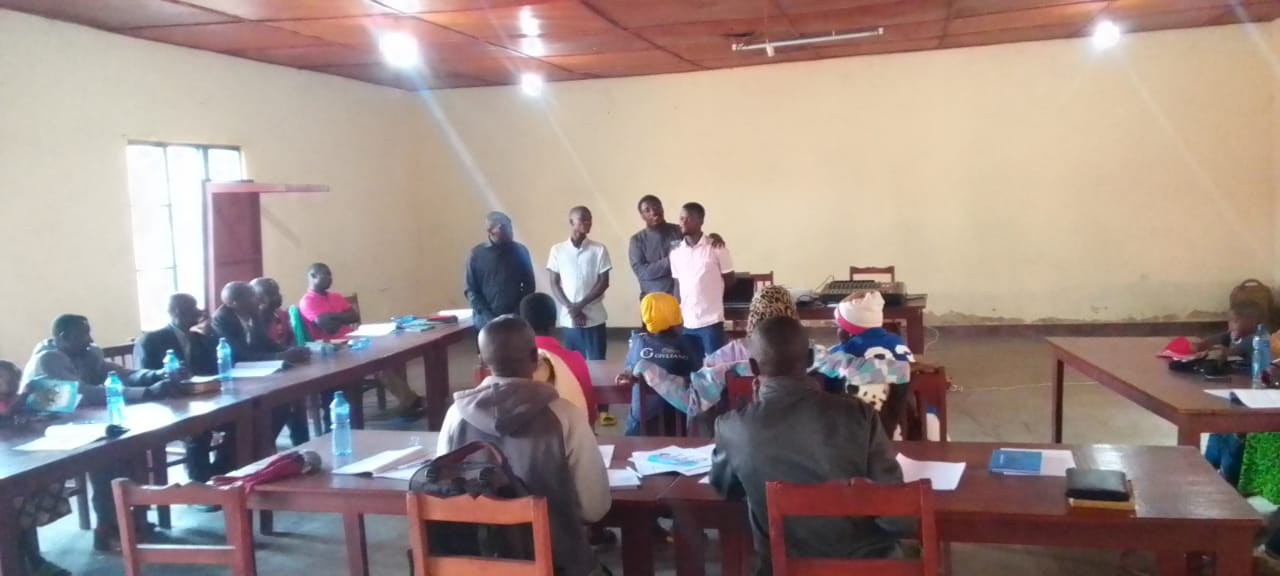
The two-day training which brought together twenty missionary educators and five church leaders, aimed to equip them with kindergarten-based skills to help them prepare children while teaching them Christian values from an early age.
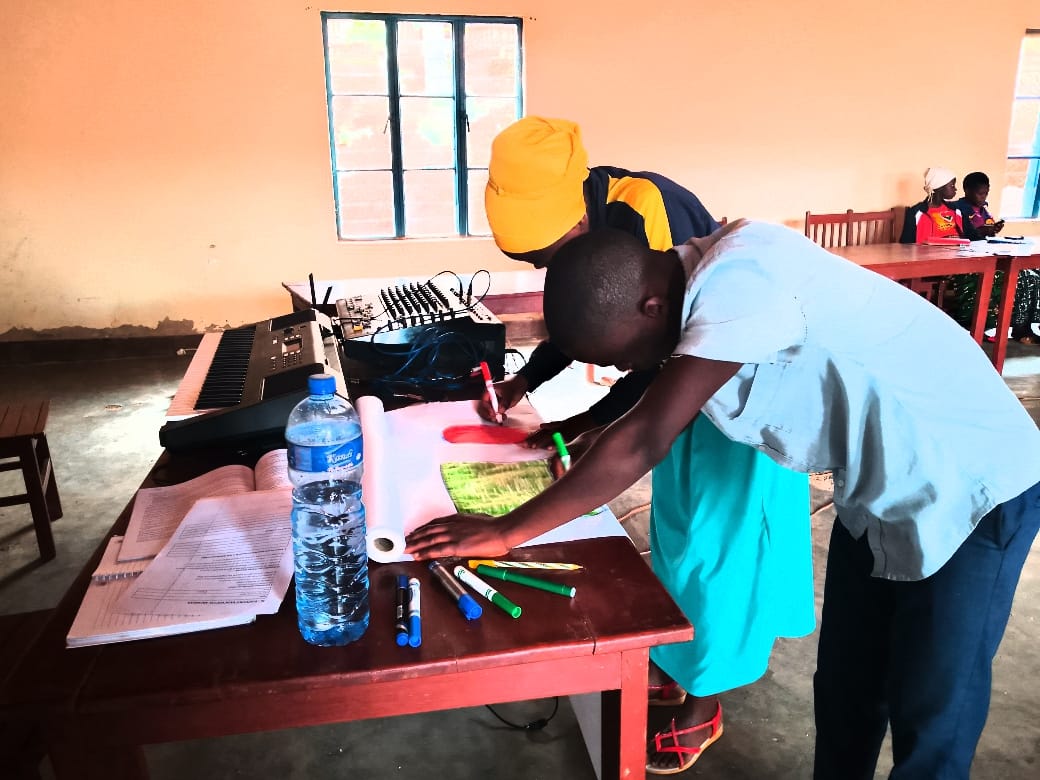
According to Ndayikeza, the program helps children grow spiritually, physically, intellectually, and emotionally, while discovering different concepts through structured educational activities, combining foundational learning, physical activities, and religious or moral instruction.
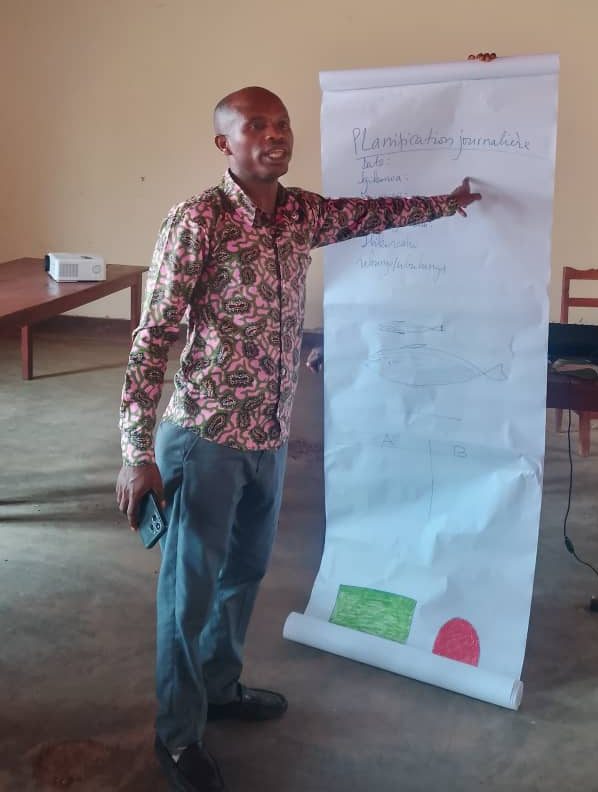
“This integrated methodology is still new to many local teachers. Structured training is therefore necessary to enable them to master it and apply it effectively,” argued Ndayikeza.
During the training, the attendees completed a 40-hour program covering basic and education modules, enabling them to gain intensive skills before beginning to train children. The program further enhanced knowledge for those already serving to ensure the quality of their work during the next school year.
A Program Serving the Church and the Community
Pastor Dieudonné Irambona, vice-legal representative of the Free Baptist Church of Burundi, stressed the importance of the program within the churches, arguing that it is a part of evangelization to integrate children within conventional preschool education.
“This program is also a form of evangelization in the area of children’s ministry. Children can learn about their bodies, understand that God is their Creator, and discover the place of Christ in their lives. All of this helps build their faith,” he said, urging missionary educators to take the role responsibly.
He added that the lessons also enable children to familiarize themselves with community life and help them fearlessly express themselves to enter the first year of formal education alongside other children.
He believes that this initiative could contribute to the emergence of new generations rooted in the Christian faith, strengthen ties between churches and families, and increase the number of church members.
“We hope to see changes in our churches, with an increase in the number of Christians and children welcomed, particularly because missionary educators are called to visit families, engage with parents, and share the Gospel with them,” he continues.
Church Visibility and Inclusion
Beyond education and evangelization, the churches benefit from the program by increasing its visibility within the communities.
According to Céléman Nduwimana, the Program’s Area Coordinator in the northern zone, the program has helped children from diverse religions such as Protestant churches, the Catholic Church, or Muslim families.
He noted that the church carries out its mission through the implementation of the program while also contributing to the development of society by promoting good values within families.
“The child becomes a bridge for reaching parents through evangelization,” he says.
The Participants’ Appreciation and Call for More Support
The participants described the session as an opportunity to strengthen their knowledge and discover new methods for supporting children, while many others expressed concerns over its full implementation as a result of a lack of funding.
Angélique Bikorimana, a missionary educator at the Kavoga Free Baptist Church in Butanyerera Province, says the training was transformative.
“I discovered concepts that I had not yet been teaching the children. I now intend to put them into practice,” she says, urging the PEPE leaders to stay closely with them.
Anick Niyuhire, from the Kayanza Free Baptist Church, which has already implemented it for over two years, echoed the appreciation but voiced concerns over a persistent lack of resources to effectively run the program.
“It is difficult. Some volunteers we worked with in previous years eventually gave up, discouraged because they need resources to live. If we could have at least some financial resources to work with, it would help us tremendously,” she said.
Referring to Proverbs 22:6, Pastor Elie Ntirampeba, from the Camizi and Kabuye Free Baptist Church, hails the PEPE program as beneficial to the church and community but called for financial support, arguing that the implementation requires high expenses.
“There is a need for educational materials and food for children from disadvantaged families. He said. “These expenses are difficult for local churches to bear without the support of donors”
Responding to the concerns over financial restraints, PEPE’s National Coordinator said that some people confuse the Program with a funding NGO. He reminded that PEPE acts as a technical partner that provides educational materials, books, training, and operational guidance through the partnerships with the churches, rather than as a funding organization.
“If a church can not support its missionary educators, we advise it not to launch a PEPE unit, unless the missionary educators choose to serve voluntarily, as is done in other ministry programs,” he said, urging the church leaders to seek local sponsors.
The effective implementation of the program has faced persistent challenges for a while, extending to a better understanding of the PEPE’s mission in Burundi. Among the obstacles, Ndayikeza, include official administrative authorization for Conventional nursery schools, as officials hadn’t yet understood the Program’s mission.
“Through active dialogue and close collaboration with local administrative authorities, we have clarified our scope of action. Many officials now actively support our work,” he adds.
Since 2024, around 400 children have already benefited from the program from six Free Baptist Churches. Currently, PEPE Burundi plans to expand its program to thirteen additional churches, inviting other denominations to embrace the program.
READ ALSO:
Discover more from THE BAPTIST CHRONICLE
Subscribe to get the latest posts sent to your email.