
From August 24 to 28, 2026, Bethel Hope Center, in collaboration with the Free Baptist Church of Burundi and the faith-based organization Accessible Hope International, organized a training on theology of disability for trainers from different denominations across the country.
Following the training, several participants committed to strengthening the inclusion of people living with disabilities within churches and various Christian ministries, describing it as a tremendous contribution to the building of the Kingdom of God.
The five-day training, held at the Gishosha Free Baptist Church in Bujumbura, Burundi’s economic capital, brought together 19 participants from eight organizations, including churches, humanitarian associations, and Christian ministries.
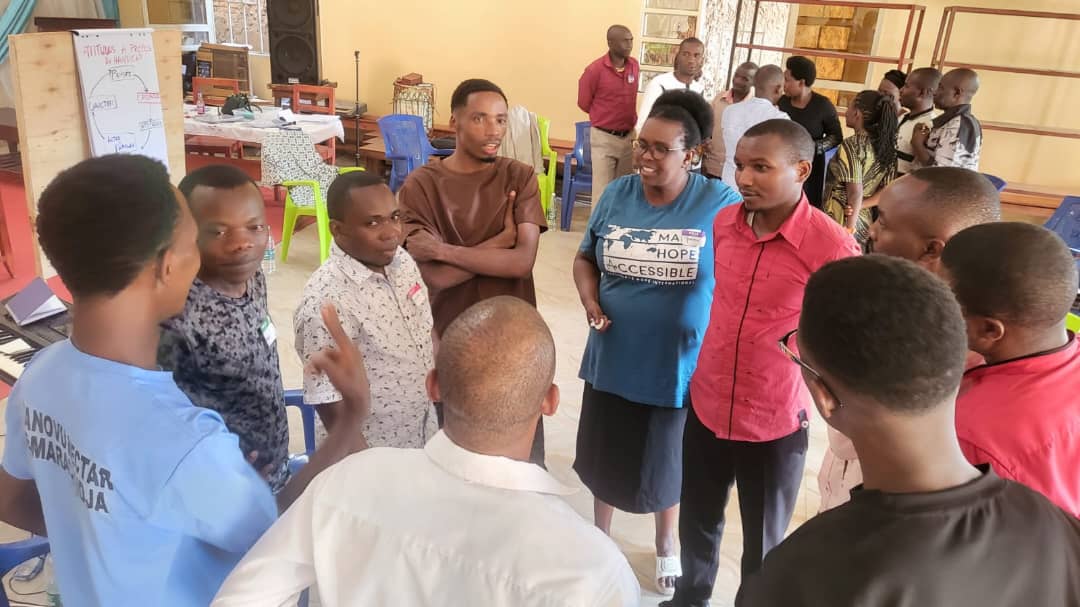
Abias Nduwimana, founder and executive director of Bethel Hope Center, a humanitarian center promoting hope and inclusion for all, said the training aimed to help improve the living conditions of people living with disabilities in Burundi.
“We therefore wanted the Church and humanitarian organizations in Burundi to become actors capable of changing this situation by opening the doors of education, healthcare, social relationships, and Christian life to people living with disabilities,” he said, insisting that churches and faith-based organizations play a significant role in advancing this ministry.
More than 17% of people across the country are living with disabilities and face family rejection and social exclusion while also enduring very harsh living conditions, Nduwimana said, referring to statistics from humanitarian organizations.
Yvonne Ndayiragije, a Burundian training ambassador for Accessible Hope International, echoed the challenges facing people living with disabilities, arguing that some of them have excluded themselves from society following continued stigmatization.
According to her, this situation can occur within families and communities, as well as in churches.
“The training focuses on how we should view and treat people living with disabilities, whether in churches, in the community, or within families,” Ndayiragije explained.
She went on to suggest that a series of similar trainings had yielded positive results and helped shape communities. Some churches, she continued, have recognized the need to involve people living with disabilities more actively in their activities and to adapt their infrastructure to make access easier.
“In countries where these trainings have already been delivered, churches have understood the importance of involving people living with disabilities in their activities. They have also begun putting in place infrastructure adapted to their needs,” she emphasized.
Participants Welcome the Training
Pastors and representatives of faith-based organizations described the training as enriching, saying that it significantly changed their mindsets.
“Previously, we considered people living with disabilities to be invalid. But through this training, we have come to understand that they are also valuable members of society, whether for the development of the Church or for the development of our country in general,” said Pastor Pierre Claver Nzeyimana of the Free Baptist Church, who serves in Mparamirundi, Kayanza Commune, in northern Burundi.
Another participant, Pastor Epitas Nduwayo of the Church of the Glorious Lord of Burundi, testified about his personal transformation and experience before the training.
“From the first day, I really did not expect this. When we talked about disability, I thought they were simply going to teach us how to communicate with blind people or with people who use sign language. That is what I thought before coming. I even wondered whether I would be able to do it,” he recalled.
“When I came and we started the course, I realized that even I had a somewhat mistaken perception of people living with disabilities. I also understood that the way we treated them in our churches was not always appropriate, contrary to what we learned in the training,” he explained.
Fulgence Nibitanga, head of Centre Ncuti, an organization working with vulnerable people, echoed these sentiments, emphasizing the importance of approaching disability in light of the Bible and the Gospel.
“What is new for me in this training is the way of viewing and treating a person living with a disability based on biblical texts, and especially on the teachings of the Gospel,” he said, calling for social inclusion.
“Every person was created in the image of God. Therefore, every person is important and precious in God’s eyes. We also have a responsibility to proclaim the Gospel to them and ensure that they are fully involved in proclaiming it,” he insisted.
Over the past month, Pastor Dieudonné Irambona, Vice Legal Representative of the Free Baptist Church in Burundi, highlighted numerous challenges facing churches in fully integrating Christians living with disabilities. These include a limited understanding of disability ministry, a lack of trained personnel and appropriate materials to serve people with disabilities, and inadequate church infrastructure.
“Many church buildings themselves show that little thought has been given to welcoming people with disabilities,” Irambona said, calling for greater support.
SIMILAR: Voices: Why does inclusion still feel so far away in our Baptist Churches? Pastor Dieudonné responds
Calls from Churches and Various Organizations
During the training, both trainers and participants called for social integration, an end to stigma, and greater inclusion in ministry.
“It is important to understand that a person living with a disability is a person like everyone else. This does not mean, however, that we should assign them tasks they are unable to perform. Rather, we need to understand them and recognize that they too were created in the image of God and were created to glorify God,” Yvonne Ndayiragije said.
For her, inclusion extends beyond assistance.
“People need to understand that people living with disabilities are not only there to be helped. We must also teach them what everyone else is taught so that they too can discover what they are capable of doing,” she said, urging church leaders to adopt a different perspective toward these people by recognizing and promoting their talents and abilities.
As the organizer of the training, Abias Nduwimana called for collaboration in future training sessions, particularly with organizations and stakeholders interested in disability issues. He further noted that the organization intends to increase the number of actors able to promote inclusion and open more doors for people living with disabilities within churches and various ministries.
“This will help contribute to a situation in which people living with disabilities are included, respected, and welcomed with dignity,” he emphasized.
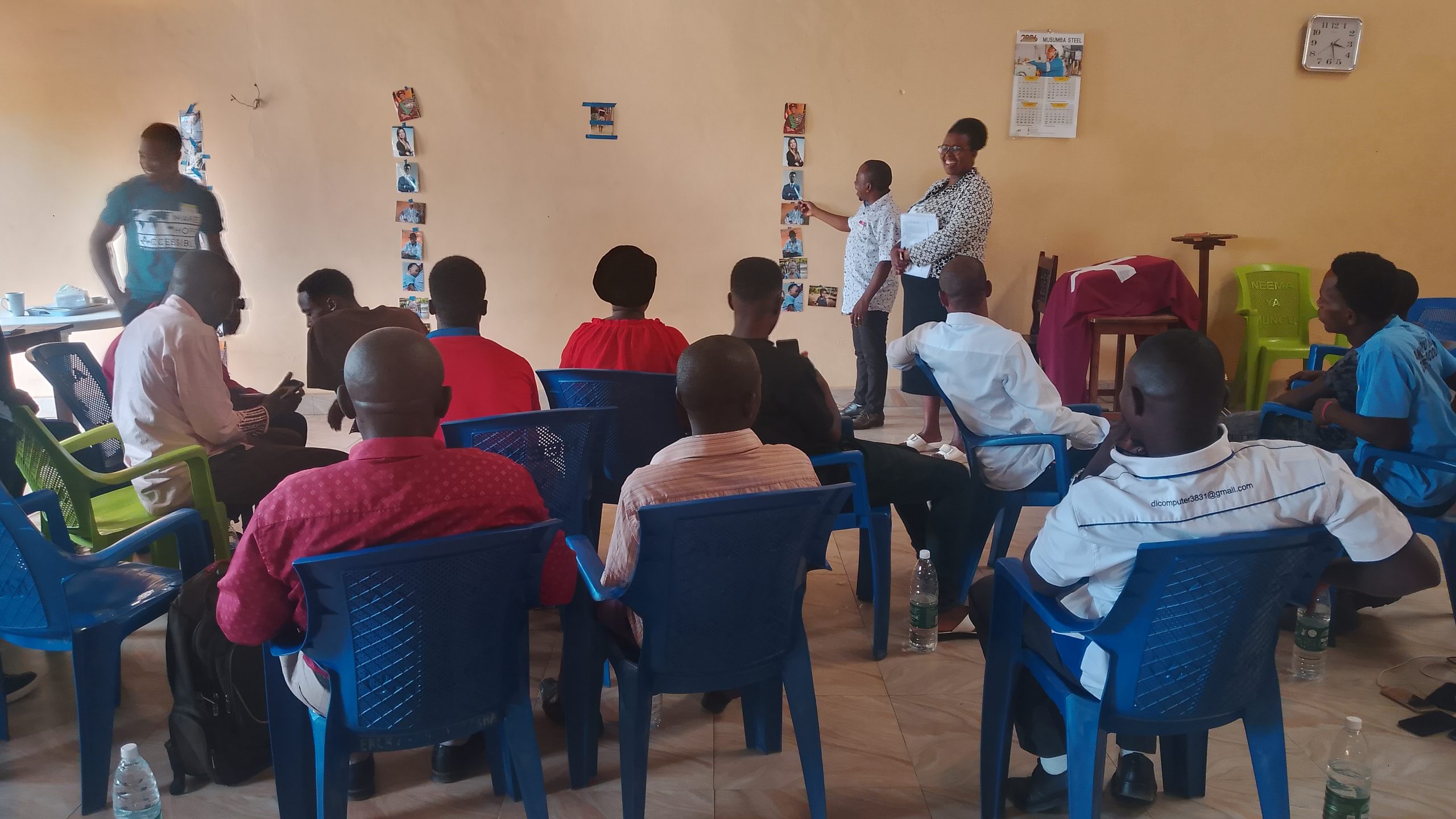
During the training, participants explored a series of topics related to disability theology, including the creation of human beings in the image of God, attitudes toward disability, the holistic Gospel in holistic ministry, and Jesus’ perspective on disability.
The teachings focused on biblical passages addressing the issue of disability. Following the training, participants also expect to benefit from four quarterly meetings aimed at supporting them as they become inclusion advocates for people living with disabilities.
Discover more from THE BAPTIST CHRONICLE
Subscribe to get the latest posts sent to your email.
Cette séance m’a changé.au passé on pensait que ,une handicapée est une créature mais sans valeur,maudite, laissée,incapable.
Après la formation mes yeux ont été ouverts tout en compris que toute créature a les mêmes valeurs devant Dieu.
On doit les aimer,les traiter tant d’autres parce qu’elles représentent l’oeuvre de Dieu pendant la création. Même Jésus n’a pas les laisser. Amen
Thank you, Baptist Chronicle, for sharing this wonderful training experience. This training on the Theology of Disability has changed our perspective on disability and helped us better understand the importance of holistic and inclusive ministry. May God help us put these teachings into practice in our churches and communities
Hey there, I truly liked this post. Thanks for sharing. Have a wonderful day.