
A child does not need to say, ‘I am being left out,’ for a church to notice. Sometimes the sign is a lesson a child cannot follow, a crowded activity that overwhelms them, a staircase they cannot use, or a teacher who assumes silence means understanding. A good Sunday school programme cannot be measured only by the number of children who attend. It must also ask which children have been present without being able to take part.
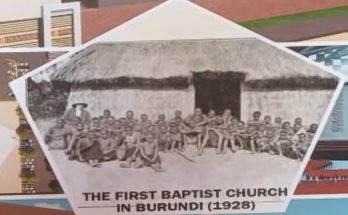
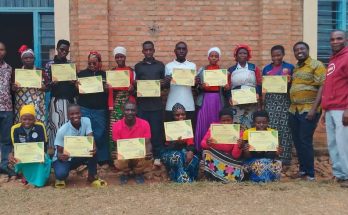
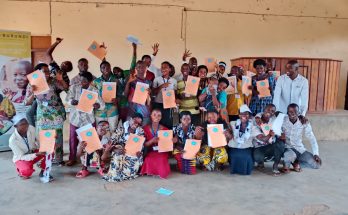
This question deserves attention in Burundi. In September, The Baptist Chronicle reported that the Free Baptist Church, working with Evangelism Explosion Burundi, trained at least twenty-three Sunday school teachers at its Ndava branch. The ‘Hope for Kids’ programme aimed to equip teachers from Bujumbura, Cibitoke, and Bubanza to communicate the Gospel in ways children can understand and carry into life. The newspaper also reported on a theology-of-disability training in Burundi and continuing calls for inclusion within church communities. These reports belong together. A church that becomes skilled at teaching must also become skilled at noticing whom its methods leave behind.
READ MORE
The first danger is to confuse a completed lesson with a reached child. Teachers can prepare carefully, speak faithfully, and leave with full notebooks while a pupil silently decides that Christianity is for people unlike them. That conclusion may be wrong, but it can feel reasonable when every activity depends on quick reading, easy movement, perfect hearing, or confidence speaking before a group.
Jesus did not treat the people at the edge of a gathering as interruptions. In the Gospels, he repeatedly notices those others overlook. In Mark 10, when people bring children to him and the disciples discourage them, Jesus corrects the adults rather than asking the children to make themselves more convenient. In Luke 10, the Samaritan crosses the road toward an injured stranger and takes responsibility for care that extends beyond one dramatic encounter. These are different scenes, yet each gives the church a necessary question: who must change their behaviour so another person can receive love?
Sunday school teachers do not need to become clinicians to answer that question. Nor should they presume to diagnose children. They can begin with observation and humility. Does a child engage more fully when an instruction is demonstrated rather than only spoken? Is a family missing sessions because the time conflicts with care or transport? Can a child participate when an activity offers two ways to respond? Is the teacher willing to ask a parent or caregiver what helps, rather than treating every difference as disobedience?
The lesson’s spiritual goal should remain clear. Inclusion is not a replacement for the Gospel. It is one way of refusing to build unnecessary obstacles between a child and the Good News. If children learn that God loves their neighbour while watching an excluded classmate struggle alone, our actions quietly contradict our teaching. If they see adults adjust a plan so another child can participate, they learn a living illustration of mercy.
There are practical ways to act without promising resources a small congregation may not possess. Teachers can pair short spoken explanations with simple written words, gestures, or demonstrations. They can offer a quieter place for a child who needs a break, without isolating that child as a problem. They can check that games do not always reward speed or physical strength. They can invite children to contribute through drawing, answering privately, helping with a story, or simply listening before they are ready to speak. Such changes should be shaped with families and the children themselves, never imposed as public labels.
Church leaders can improve the training itself. After a workshop, rather than asking only whether participants enjoyed it, invite teachers to return with one specific challenge they met and one adjustment they tried. Give them a safe place to ask questions without exposing a child’s private history. Invite trusted people with disabilities and caregivers to help review whether the parish or congregation actually feels welcoming. Where professional assessment or safeguarding advice is needed, seek it rather than expecting volunteers to solve everything alone.
Confidentiality matters deeply. A teacher should not use a child’s disability, family distress, or past experiences as an illustration in a sermon or social media post. The child is a person, not proof of the ministry’s success. Careful listening, consent, and responsible referral are not administrative burdens; they are part of treating children with the dignity Jesus gave them.
Parents also need room to be honest. Some may hesitate to mention a difficulty because they fear criticism, gossip, or the suggestion that they have failed spiritually. A church can make it easier by asking every family the same simple question: ‘What would help your child take part?’ When that question is normal rather than exceptional, an answer carries less stigma. Teachers can explain which adjustments are possible now and which will require further work. They should not promise what the church cannot deliver.
Burundi’s churches carry many responsibilities. Economic pressure, access to transport, the needs of displaced or struggling families, and the daily demands on volunteers can limit what any one congregation can do. Precisely for that reason, small faithful habits matter. They are often sustainable when a large programme is not. A teacher who remembers to follow up, a youth helper who waits patiently, a leader who fixes a simple access barrier, or a parent whose concern is heard without defensiveness can change a child’s understanding of church.
This is also a form of peacemaking. Jesus calls peacemakers blessed in Matthew 5:9. We often hear that verse in connection with disputes between adults or even nations. But there is a quieter conflict when one child’s needs are continually treated as inconvenient and another child’s participation is taken for granted. Peace does not demand that every child learn in exactly the same way. It asks that difference not become a reason to deny belonging.
A training certificate should be celebrated. Those who give their time to teach deserve encouragement. Yet the real test comes in the ordinary weeks afterward, when a session is crowded, the planned game does not work for everyone, and no photographer is present. Will a teacher abandon the child or adjust the activity? Will fellow children learn to include rather than to mock? Will the church support the teacher when the right thing requires patience?
Hope for children is not a slogan written on the front of a training booklet. It becomes visible when the child who once stood outside the lesson discovers that someone has made room, remembered their name, and invited them back. That is the church teaching Jesus with its whole life.
This is a guest opinion by Douglas Vandergraph,
a Christian writer and Bible teacher.
The views expressed are those of the author
and do not necessarily reflect the views of
The Baptist Chronicle.
Want to write for us? See our Write For Us page.
RELATED
Discover more from THE BAPTIST CHRONICLE
Subscribe to get the latest posts sent to your email.

Dear Brother,
Thank you so much for this powerful and meaningful message, “Notice the Child Who Cannot Join the Game.”
Your message reminds us that Sunday School ministry is not only about teaching children or organizing games, but also about recognizing, welcoming, and including every child, especially those who are often left behind.
Here in Burundi, we have also encountered children living with disabilities. This has made us reflect deeply on how we can better serve them in our churches.
One important question we would like to ask is: How can we communicate the Gospel to children with disabilities in a way that helps them understand that they are deeply loved, precious, and valuable in God’s eyes, just like every other child?
How can Sunday School teachers teach and encourage these children so that they never feel forgotten, rejected, or less important because of their disabilities?
We would sincerely appreciate your guidance, practical advice, teaching materials, and any possible support that could help us strengthen inclusive Sunday School ministry in our churches here in Burundi.
We believe that every child is created in the image of God and deserves to be welcomed, loved, and given an opportunity to participate.
Thank you for reminding us to notice every child, especially the one who cannot join the game. May God continue to use you to inspire and equip His Church.
God bless you.