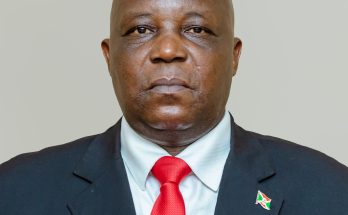
Burundi is preparing for the presidential election, scheduled for May 3, 2027. In a country where the majority of the population is Christian, more than 6 million people are expected to vote.
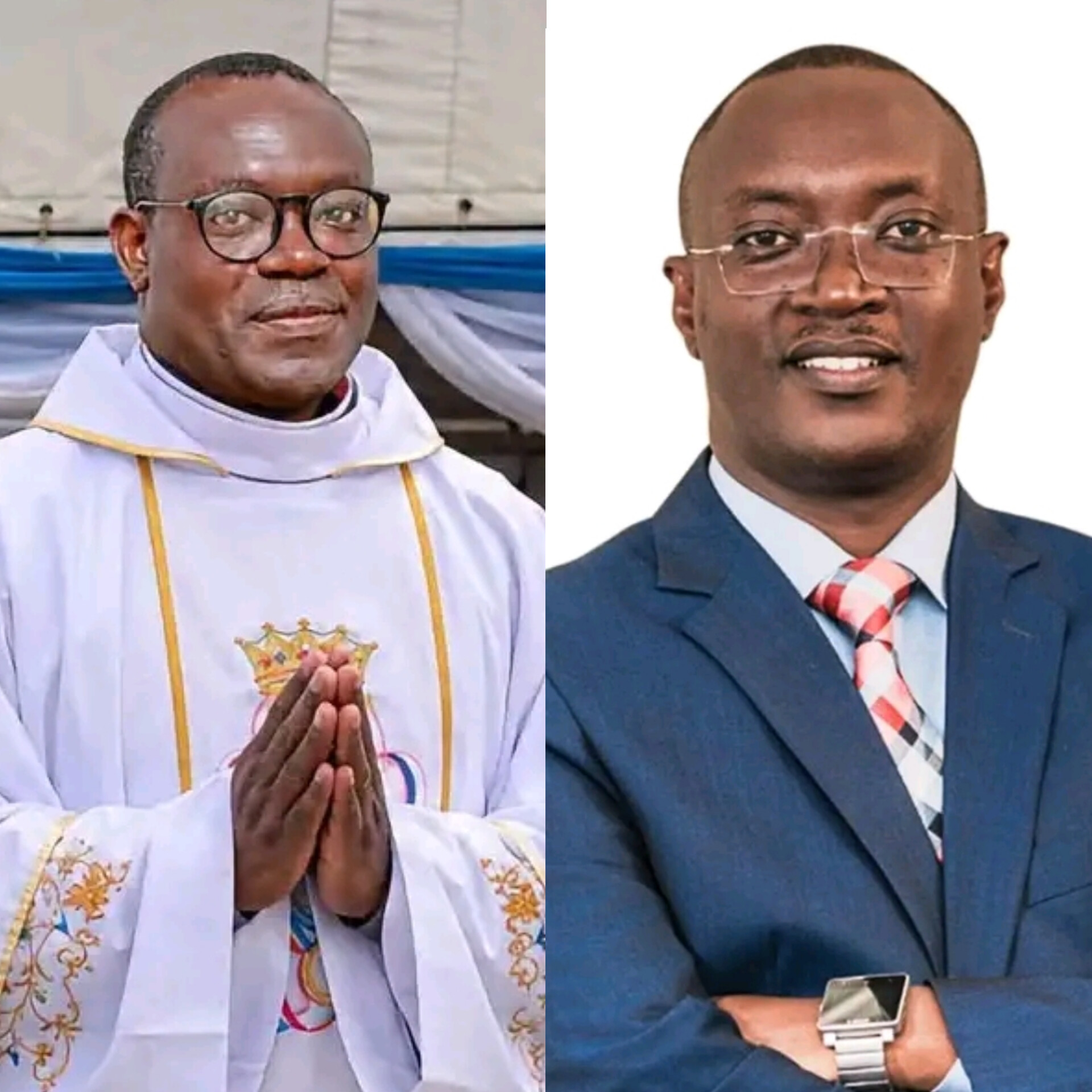
Over the years, most presidential candidates in previous elections have identified themselves as Christians, with many affiliated with the Catholic Church. In the upcoming election, two unexpected faces have emerged: Pastor Dieudonné Nahimana and former Catholic priest Abel Nduwimana.
Their appearances at the offices of the country’s national electoral body to submit their candidacy applications have sparked public debate, with many raising questions about the compatibility of politics and religion.
For Pastor Nahimana, the founder and leader of Oasis Christian Center, this will mark his second attempt to run for president, following his participation in the 2020 general elections, if his candidacy is officially accepted.
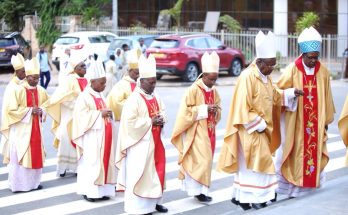
For Nduwimana, the Catholic Church immediately clarified that he had resigned from the priesthood and that it had not sent him to represent the entire Church, noting that its principles do not allow priests to engage in politics while serving as members of the clergy.
Despite these developments, a fundamental question remains: Can a Christian or a religious leader engage in politics? What does the Bible say?
A theologian and expert in good leadership, Pastor Acher Niyonizigiye, shares his perspective, arguing that God has used His people in politics since the Old Testament. He cites Daniel and others who served their countries faithfully and made God’s name known among the nations.
God Is Omnipotent, the Creator
Speaking to the Baptist Chronicle on Tuesday, November 24, 2026, just two days after the deadline for submitting candidacy applications, Niyonizigiye stressed that God has authority over everything, including politics. Despite Satan’s influence over the world’s leaders, he argued, this does not give the Devil absolute power, as Satan remains under God’s authority.
He further emphasised God’s calling and adherence to God’s revelation as two major principles that should guide Christians who wish to participate in political activities.
“Politics is one of the different spheres in which God wants to make Himself known through those who honour Him. He therefore gives them gifts suited to that sphere and places in their hearts a sense of responsibility or concern for it. God also wants to make Himself known in politics through the integrity and righteousness of believers, as happened in Babylon through Daniel,” he explained.
Church Principles Take Priority
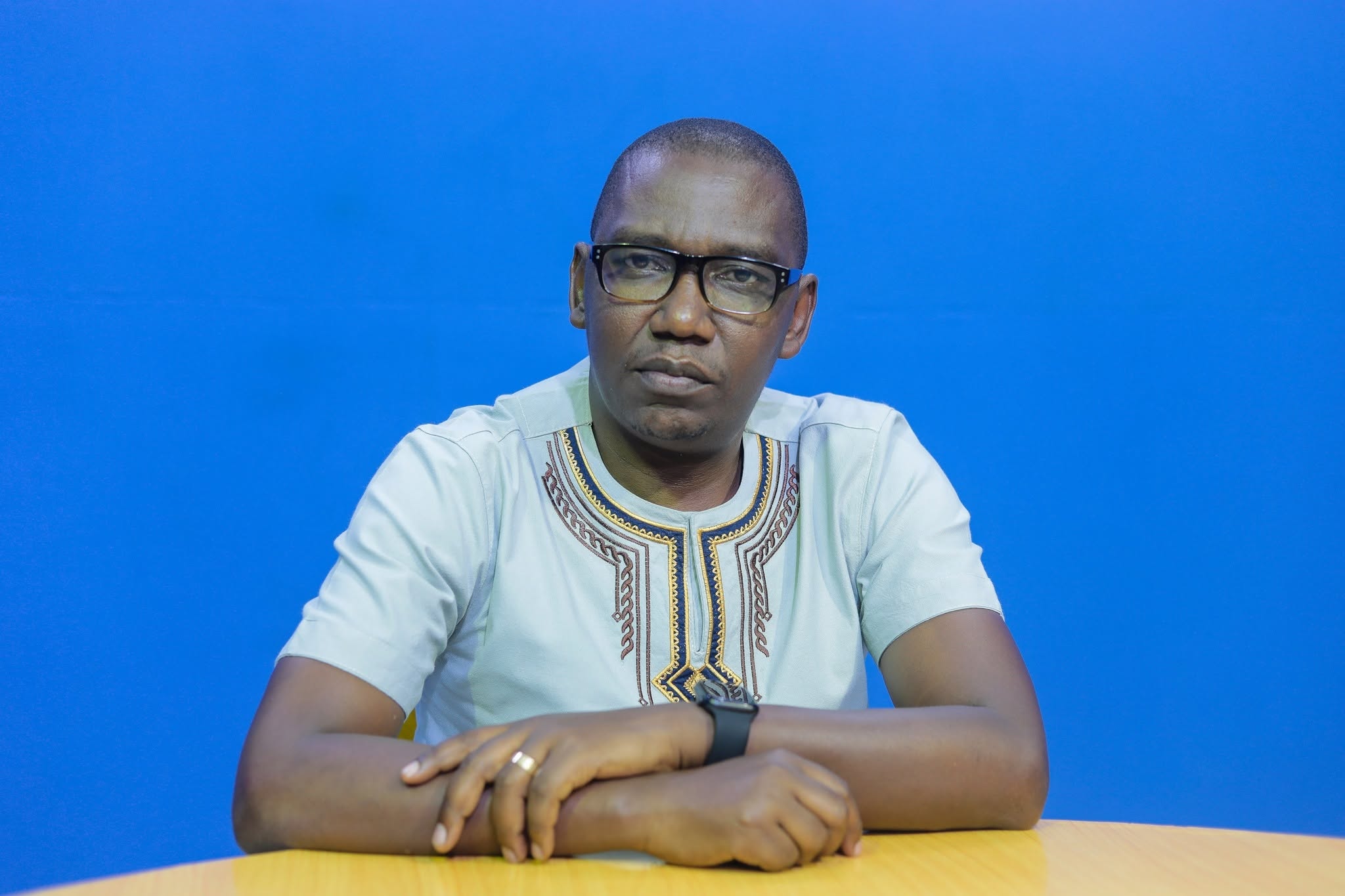
Niyonizigiye argues that church leaders, like any other Burundian, are legally permitted to participate in political activities, noting that God can call someone to serve Him in politics.
However, he urged Christians to follow their churches’ established guidelines. He pointed to some churches that allow people in leadership positions to participate in political activities while retaining their church leadership roles.
Other churches, he added, do not allow the two roles—politics and religion—to be combined and require anyone entering politics to first step down from their church leadership position.
He also cited churches that have no written guidelines, particularly those established recently, saying that, in many cases, decisions are made based on the views of their founders.
Key Recommendations
Niyonizigiye argued that a church leader should not simultaneously hold a leadership position in both a political institution and the church. He urged anyone called to participate in politics to inform their church, which should pray for them and then send them out to fulfil their calling.
“Considering what the Bible says, the political situation in Burundi, and the current democratic system of governance, in which Christians support different political views, this is how I see the matter,” he clarified.
He strongly defended his recommendations, arguing that they would prevent the church from becoming an instrument of political interests, with Christians treated as a source of votes for a political leader. They would also protect the church from political tensions that may arise, including conflicts, hatred, and other divisions.
He further noted that this approach would protect the consciences of church members who may support other politicians, ensuring that they do not feel excluded or believe that they no longer belong to the church. It would also prevent the church from being perceived as a political force seeking to take control of the country’s leadership, rather than fulfilling its mission of making disciples of the nation by transforming harmful behaviours and practices within society, as Christ commanded.
Discover more from THE BAPTIST CHRONICLE
Subscribe to get the latest posts sent to your email.