Religious leaders have been urged to reflect on the legacy they will leave behind after their death and consider the impact of their service on the spiritual lives of others, as well as on their churches, organisations, and communities.
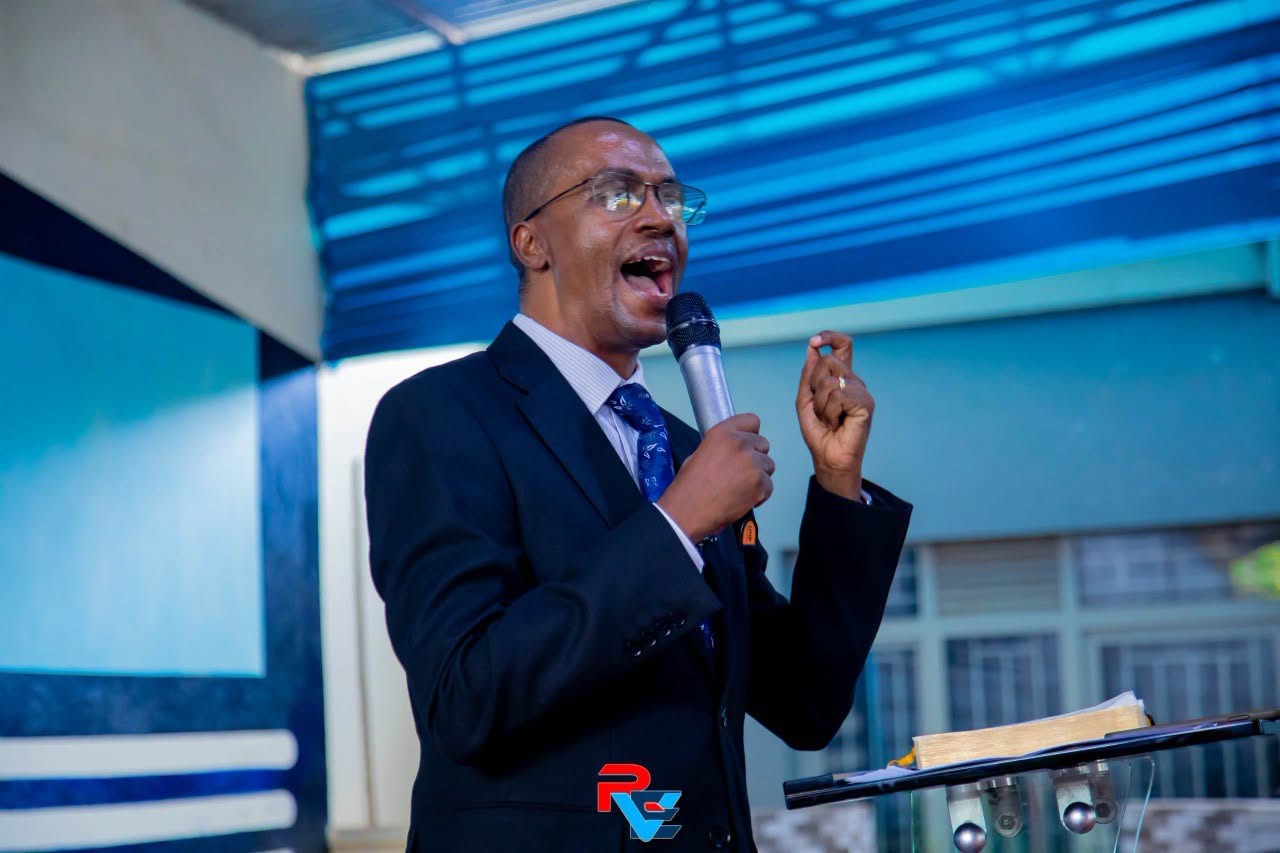
Speaking on the second day of the Global Leadership Summit (GLS) on Friday at the Rock Church in Bujumbura, the country’s economic capital, Reverend Onesphore Manirakiza, one of the main speakers, urged leaders not to focus solely on their achievements but also on whether their work would continue to have an impact after they were gone.
During a session entitled “The Principles of Leadership,” he raised a fundamental question: “If tomorrow you are no longer the leader of your organisation, church, business, school, or a particular project, do you think your initiative will continue or be destroyed?”
He encouraged religious leaders to follow the example of Jesus Christ, whose leadership was centred on serving others. He urged them to embrace Christ’s guiding principle in Mark 10:45, while also drawing lessons from the Apostle Paul’s final reflections on his life: “I have fought a good fight, I have finished my course, I have kept the faith” (2 Timothy 4:7).
The Global Leadership Summit, held from 26 to 27 November 2026 under the theme “Your Contribution in Building a Desired Burundi,” brought together religious leaders, government officials, including military and police officers, and believers from different Christian denominations.
The summit also featured local and international religious speakers from various countries, many of whom addressed participants virtually through recorded presentations.
Reverend Onesphore Manirakiza is the founder of the Antioch Foundation, a faith-based organisation, the legal representative of Shammah Temple Fellowship, and an author of faith-based books.
Drawing on the work of two leadership experts, Gayle Beebe and John Maxwell, Manirakiza outlined several qualities of effective leadership, including proper conduct, competence, collaboration, an understanding of culture and society, commitment to personal principles, and the ability to maintain strong relationships.
Proper Conduct as the Foundation of Leadership
Manirakiza began by describing a person of good character as someone who is humble, faithful, courageous, and honest, and who avoids sexual immorality. He referred to Proverbs 4:23, which states: “Keep thy heart with all diligence; for out of it are the issues of life.”
He also cited the biblical account of the selection of King David, arguing that God looked beyond outward appearances and focused on his character rather than his talents.
Beyond responsible conduct, the theologian stressed the importance of competence in religious leadership.
“Besides proper behaviour, a pastor needs both theological and pastoral skills,” he said.
He drew on the example of King David, who had developed his skills before confronting Goliath, and highlighted the encouragement found in Proverbs 22:29.
Collaboration was another key principle in his presentation. Manirakiza said effective leadership promotes mutual support and teamwork. He criticised leaders who attempt to take full control of all activities and responsibilities, describing this as one of the major mistakes in leadership.
“Such a situation causes tiredness, anger, and prevents people from taking responsibility,” he warned.
He referred to Moses, the leader of Israel, who initially attempted to resolve all disputes and matters alone until his father-in-law, Jethro, advised him to appoint capable people to help him share the responsibilities.
Understanding Culture, Recognising Talents and Building Relationships
The theologian also emphasised that effective leadership requires an understanding of the environment in which people live and work. He stressed the importance of knowing people’s cultures, histories, and contemporary social realities.
To illustrate this principle, he referred to the Apostle Paul’s different approaches to preaching. While addressing Jewish audiences, Paul relied on the Holy Scriptures, whereas his engagement with Greek audiences also considered their culture and customs. Despite adapting his approach to different audiences, his central message remained unchanged, Manirakiza explained.
Recognising and Prioritising Competence
Manirakiza criticised leaders who appoint people to professional positions based on favouritism rather than merit. He argued that effective leadership recognises different abilities and assigns responsibilities according to people’s competencies instead of treating everyone as having the same skills.
“Am I placing people in suitable positions that allow their talents to develop?” he asked.
He linked this principle to the Apostle Paul’s teaching in 1 Corinthians 12:4: “Now there are diversities of gifts, but the same Spirit.”
Building and Maintaining Relationships
Manirakiza also highlighted the importance of building strong relationships with employees and colleagues within organisations. He argued that people do not follow good ideas and projects alone; they also follow leaders they trust.
He pointed to the relationships between Jesus Christ and his disciples, as well as those between Paul and his fellow workers, including Timothy, Titus, and Silas.
According to him, active listening, trust, effective communication, encouragement, correction, and social cohesion are essential qualities that should characterise a good leader.
“Don’t build God’s work only, but build a team of workers that will accelerate it in your absence,” he concluded.
Photo Credit : Radio Voix d’Espoir
Discover more from THE BAPTIST CHRONICLE
Subscribe to get the latest posts sent to your email.